






In this post we share an article by Phrozen where they explain the reasons why 3D Printing transforms traditional prototyping by being faster, more cost-effective, and offers a level of flexibility that traditional methods simply can’t match.
Imagine this: You have an incredible idea for a product that could disrupt the market, but the clock is ticking, and your competitors are not far behind.
Getting your product from concept to reality is a race against time, and every iteration of your design feels like it’s taking longer than it should.
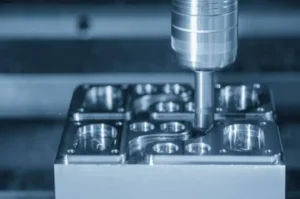
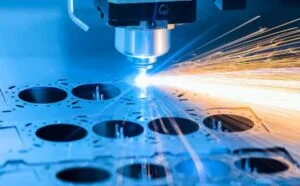
Traditional methods are slowing you down, whether it’s CNC machining or injection molding. Not to mention, they’re eating into your budget and stretching your timeline.
So, what’s the solution? 3D printing prototype technology. It’s faster, more cost-effective, and offers a level of flexibility that traditional methods simply can’t match.
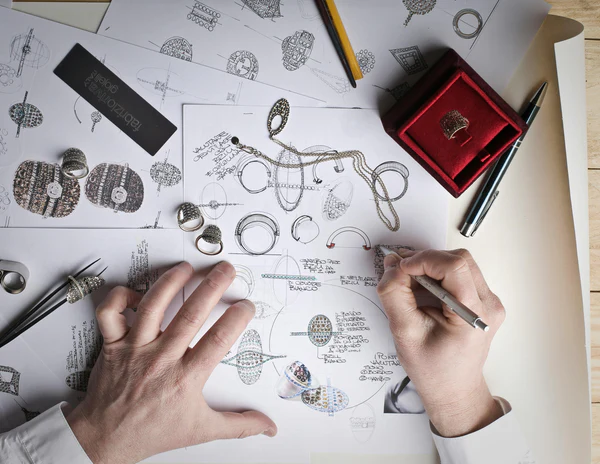
When you’re working on a new product, speed and precision are everything. You need a prototype to test the design, see how it functions, and understand what improvements can be made.
But traditional prototyping methods like CNC machining or injection molding are often time-consuming and expensive. They require molds, tooling, and often weeks to get a single prototype made. Worse, if you need to make adjustments, you have to go back to square one. Not exactly ideal when you’re trying to outpace your competition.
Enter 3D printing in prototyping, a solution that accelerates the entire development process. With 3D printing, you can create complex designs faster, make iterations on the fly, and significantly reduce your costs. What used to take weeks can now be done in days—or even hours.
Let’s break down why 3D printing prototype technology is changing the way industries develop products:
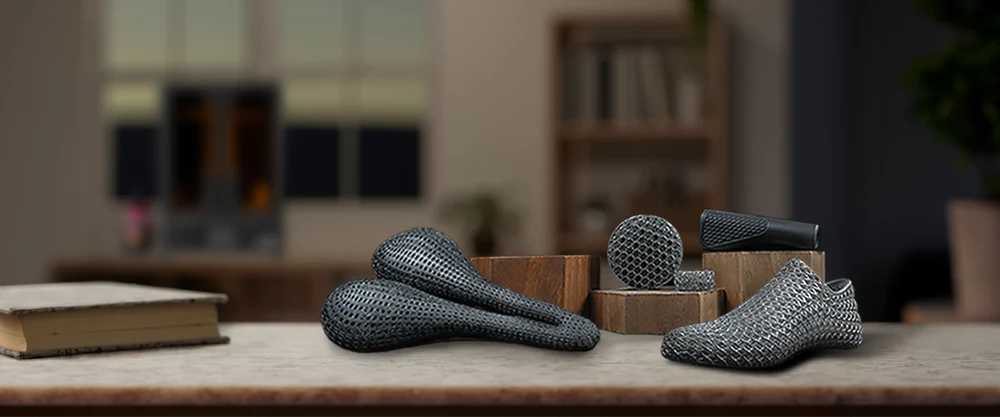
But that’s not all. 3D printing gives you the freedom to experiment without breaking the bank. Whether you’re making a 3D printed prototype example to test functionality or aesthetics, you can easily tweak your design and print again. It’s as simple as loading your design into the printer, hitting print, and letting the machine do the rest.
Now that we know why 3D printing is perfect for rapid prototyping, let’s dive into the types of prototypes you can create. Each type serves a different purpose, so let’s walk through some 3D printing examples:
The world of product development is fast-paced, and staying ahead means being able to iterate quickly, test thoroughly, and bring your ideas to life in record time. With the power of 3D printing prototype technology you have everything you need to accelerate your prototyping process.
Special thanks to Phrozen for sharing this case study.
Dream 3D are proud to offer a range of Phrozen 3D Printers, including the Sonic Mega 8K V2: Phrozen Sonic Mega 8k V2 3D Printer – Dream 3D Printers
If you have any queries regarding this article or if you would like to request a bespoke quote, please contact us at info@dream3d.co.uk / 07789266163
Thanks for reading 🙂
Roulette und Slots bieten spannende Gewinnmöglichkeiten, während neue online casinos großzügige Willkommensboni, Cashback-Optionen und fortlaufende Promotionen bereitstellen.
 3D Printing




 3D Printer Types
 3D Printer Materials
 3D PRINTER PARTS/ACCESSORIES
 3D SCANNER PARTS / ACCESSORIES